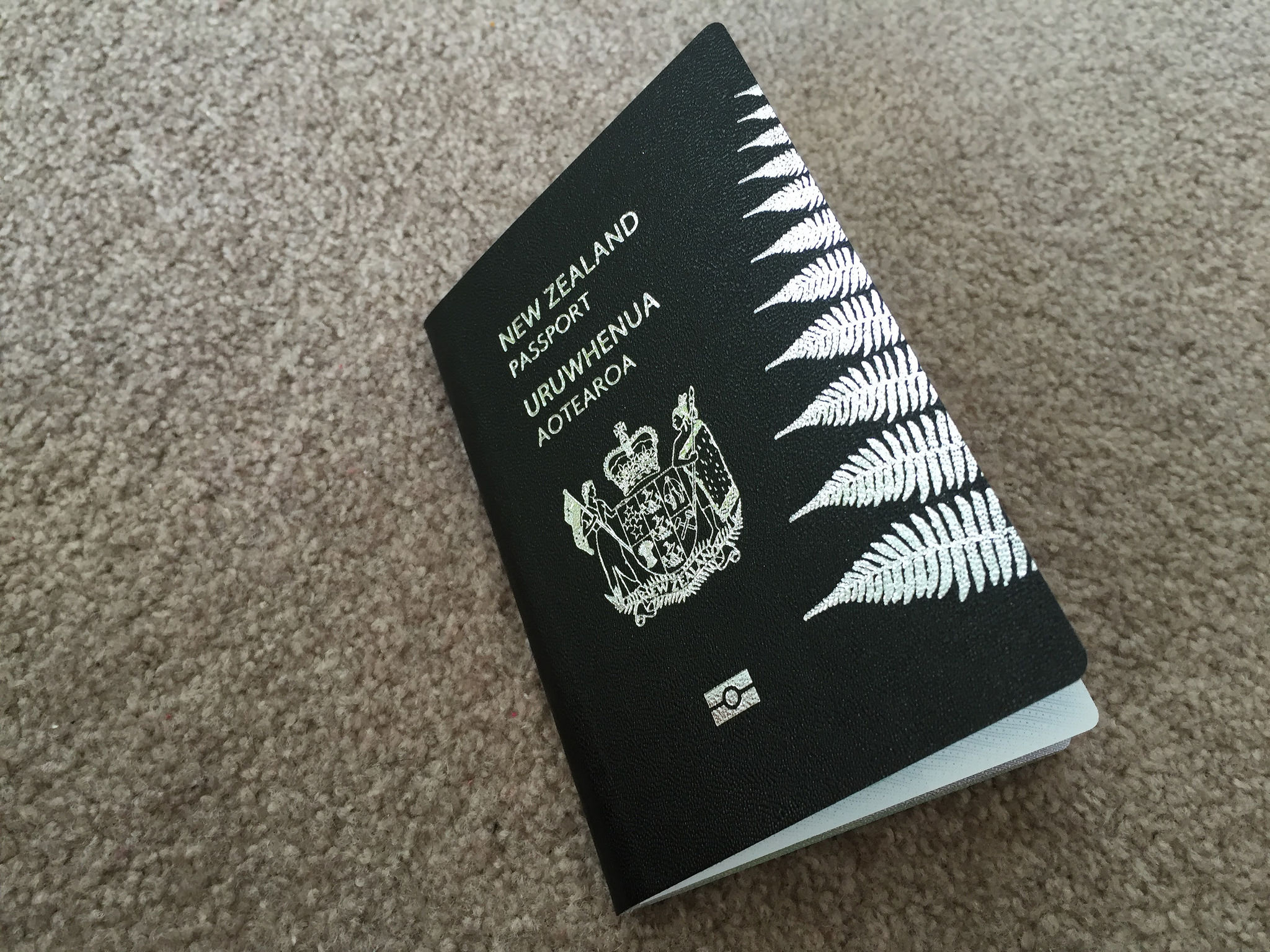
Vietnam E-Visa for New Zealand Citizens 2026: The Only Guide You Actually Need
Reviewed by: Stanley Ho | Last Updated: May 2026
The Vietnam visa for New Zealand citizens is not complicated — but it is absolutely mandatory in 2026, and the number of Kiwis I’ve seen turned away at check-in over paperwork errors that were entirely avoidable still frustrates me after two decades in this industry. Vietnam is one of the most popular long-haul destinations for New Zealanders: the food, the coastline, Hội An’s lantern-lit streets, the chaos of Hà Nội’s Old Quarter that somehow feels energising rather than overwhelming. It rewards the effort of getting there. And getting there from Auckland, Wellington, or Christchurch — with Air New Zealand, Vietnam Airlines, and a handful of Asian carriers via hubs in Singapore, Bangkok, or Seoul — is genuinely manageable.
What is not manageable is arriving at the border without the right documentation. New Zealand does not have a visa exemption agreement with Vietnam. Every New Zealand citizen, regardless of how short the trip, needs valid authorization before boarding.
One more thing before we go any further: the Visa on Arrival approval letter system is completely dead. If you’ve found an article from a few years ago describing how to get a “VOA approval letter” sent by email from a travel agency, that system no longer functions as a legal entry mechanism. Don’t touch it. The 90-day Vietnam E-visa — applied for online, received digitally, no airport desk required — is the only route in 2026.
Table of Contents
Vietnam E-Visa Requirements for New Zealand Citizens
The vietnam visa for New Zealand citizens in 2026 is the E-visa: 90 days of stay, available in single-entry or multiple-entry format. If you’re doing a wider Southeast Asia loop — popping into Cambodia to tick off Angkor Wat, or crossing into Laos for a few days of slow travel along the Mekong — the multiple-entry option is worth every cent of the additional cost. Here’s what you need to apply:
Document checklist:
- New Zealand passport valid for at least 6 months beyond your intended departure date from Vietnam
- At least one fully blank visa page
- Digital passport photo: color, white background, full face visible, no sunglasses, no headwear (religious exceptions permitted if the face is entirely unobstructed), taken within the last 6 months
- Clear, sharp scan of your passport biographical data page — both sides if your passport has data on the back
- Valid email address for the approval delivery
- International credit or debit card for the online fee
Standard processing: 3 business days. Urgent options are available for 24 to 48-hour turnaround. The fee is paid in USD at application. When you land in Vietnam, there is no additional stamping fee, no cash transaction with immigration, no separate desk. That entire layer of the old system is gone.
Denied Boarding at AKL: What Happens When Your Visa Isn’t Ready
Picture it. Early morning at Auckland International Airport (AKL) in Māngere. You’re checked in, boarding pass on your phone, bags tagged for the Singapore Airlines connection to Hồ Chí Minh City via Changi. The check-in agent requests your E-visa. You pull up the PDF. She looks at the name. Looks at your passport. Looks back at the screen. Calls a supervisor.
The name on the E-visa doesn’t match the passport. Maybe it was a macron issue — your passport reads “Māui” in the visual zone but the MRZ and the E-visa portal both want “MAUI.” Maybe someone in a hurry transposed two letters in the passport number. Maybe the photo upload was rejected silently and the approval never actually issued. Whatever the reason: you are not getting on that flight without a valid matching visa.
I’ve fielded calls from the AKL international terminal. From Changi during a stopover. From travelers who didn’t realise there was a problem until they were already mid-journey. The Auckland–Vietnam route via Asian hubs is a significant time investment — missing a connection means losing a day or more.
If boarding is denied over a visa issue, stop engaging with the check-in desk on the visa question and call an emergency service immediately. Our Super Urgent Visa Service at VisaOnlineVietnam can push a new E-visa approval through priority channels in 2 to 4 hours — fast enough to catch a rebooked same-day departure in many cases.
💡 Expert Insight from Stanley Ho: “Over my 20+ years handling travel logistics, the most frequent disruption occurs at the check-in desk due to simple application formatting errors. If you are stuck at the airport and denied boarding, don’t panic—our emergency team can secure a new E-visa clearance through priority channels within hours, saving your flight.”
The New Zealand Passport Trap: Māori Macrons That Break Visa Applications
This section is important for a specific and growing group of New Zealand travelers — and I want to address it carefully, because it’s the kind of thing that standard visa guides completely miss.
New Zealand passports can and do include macrons (tohutō) in names on the biographical data page. The macron is a horizontal bar over vowels in te reo Māori that indicates a long vowel sound: ā, ē, ī, ō, ū. Names like Māui, Tāne, Kāhu, Pōhutukawa, or Āwhina may appear correctly macronated in the visual zone of a New Zealand passport — as they should, given that te reo Māori is an official language and New Zealand has progressively improved its recognition of correct Māori orthography in official documents.
Here is the problem. The Machine-Readable Zone at the bottom of your passport’s biographical page — the two lines of characters that scanners read — cannot encode macrons. It uses plain ASCII. So “Māui” in the visual zone becomes “MAUI” in the MRZ. “Tāne” becomes “TANE.”
The Vietnam E-visa portal reads against the MRZ. It expects plain ASCII Latin characters. And if you — rightly proud of the correct macronated spelling of your name — enter it with macrons into the E-visa application, you will create a technical mismatch between the visa and what the immigration scanner reads at the Vietnamese border. That mismatch can cause you to be pulled aside for manual verification, delayed, or in the worst cases, denied entry.
The rule for Kiwi applicants with Māori names: enter the name without macrons, exactly as it appears in the MRZ strip of your passport. Not the visual zone. The MRZ. For most people this means: open your passport, look at the two lines of machine-readable characters at the bottom of the biographical page, and transcribe your name from there. No macrons. Plain vowels only.
A few other New Zealand-specific formatting notes worth flagging:
Hyphenated names: New Zealand passports accommodate hyphenated surnames and given names. Enter these exactly as printed — hyphen included. Do not drop the hyphen or run the components together as one word.
Dual cultural names: Some New Zealand passport holders carry both an English name and a Māori name on the same passport. Enter whichever name is recorded in the surname and given name fields of the biographical page — don’t mix and match between the two.
Long Māori compound names: Names built from multiple Māori words can be quite long. The E-visa portal has character limits per field. If your name is very long, use the MRZ version as your guide — it may abbreviate or truncate in ways the portal can handle. Our team at VisaOnlineVietnam can verify the correct entry format before you submit.
Skip the Queue: VIP Fast-Track at Vietnam’s Airports
Auckland to Vietnam is typically a 12-to-14-hour journey via connecting hubs in Singapore, Bangkok, Kuala Lumpur, or Seoul. Christchurch travelers add another leg. By the time you land at Tan Son Nhat International Airport (SGN) in Hồ Chí Minh City or Noi Bai (HAN) in Hà Nội, you’ve been in transit for the better part of a day, and the prospect of joining a 90-minute immigration queue behind several simultaneous wide-body arrivals is — let me put this charitably — not ideal.
The VIP Airport Fast-Track service cuts through this cleanly. A personal concierge meets you at the gate — before the main immigration hall — and escorts you through a dedicated priority lane. No queuing, no forms to fill in while standing up, no waiting behind tourists from five different flights all processing at once. Luggage is prioritised. You’re in the arrivals hall and heading toward your hotel while the rest of your flight is still shuffling forward.
Available at Noi Bai (HAN), Tan Son Nhat (SGN), and Da Nang International (DAD). For anyone who has just survived a 13-hour journey from the South Pacific, it is the most sensible $30-to-$50 you will spend on the entire trip.
How to Apply for Your Vietnam E-Visa in 2026
Step by step, here’s the complete process:
- Go to the official Vietnamese immigration E-visa portal (evisa.xuatnhapcanh.gov.vn) or apply through a professional service like VisaOnlineVietnam for name-formatting verification and document review before submission.
- Enter your personal details — surname and given names exactly as they appear in the MRZ of your passport, without macrons or other diacritics that the MRZ strips. This is especially important for New Zealand travelers with Māori names.
- Upload your passport photo and biographical page scan — both must be sharp, well-lit, and within the portal’s file size specifications. Fuzzy scans are one of the most common silent rejection triggers.
- Select your visa type: single or multiple entry, and your processing speed (standard 3 business days, or urgent 24-48 hours).
- Pay online using an international credit or debit card. Save the payment confirmation separately.
- Receive your E-visa approval by email as a PDF within the processing window.
- Print or save digitally — Vietnam immigration accepts both at all official entry points.
Present your New Zealand passport and E-visa approval together at the Vietnamese border. No additional payment, no stamping queue, no approval letter drama. This is what entry looks like in 2026.
Frequently Asked Questions
Do New Zealand citizens need a visa for Vietnam in 2026? Yes, without exception. New Zealand is not on Vietnam’s visa exemption list, which means the vietnam visa for New Zealand citizens is mandatory regardless of trip length or purpose. The correct option in 2026 is the 90-day E-visa applied for online before departure. The old Visa on Arrival approval letter system is completely obsolete.
My name has a macron in it — how do I enter it on the Vietnam E-visa application? Enter your name without the macron, using the plain Latin vowel equivalent — exactly as it appears in the Machine-Readable Zone at the bottom of your passport’s biographical page. The E-visa system matches against MRZ data, not the visual zone. Entering “Māui” instead of “MAUI,” for example, will create a mismatch that can cause problems at the border.
How long is the Vietnam E-visa valid for New Zealand passport holders? The E-visa grants 90 days of stay per entry, on either a single or multiple-entry basis. The visa has a 90-day validity window from the date of issue, within which you must make your first entry into Vietnam. For travelers planning a broader Southeast Asia itinerary, the multiple-entry option is recommended.
Can I extend my Vietnam E-visa while I’m in the country? Vietnam permits visa extensions under certain conditions, processed through local immigration offices in major cities. Extensions are not guaranteed and depend on current policy. For stays beyond 90 days, a border run to Cambodia or Laos and re-entry on a fresh E-visa — provided you selected multiple-entry — tends to be more reliable than attempting an in-country extension.
Does the Vietnam E-visa work at land border crossings, not just airports? Yes. As of 2026, the E-visa is accepted at all designated international entry points in Vietnam, including international land border crossings and sea ports, not only airports. New Zealand travelers are not restricted to specific entry points.
About the Reviewer: Stanley Ho is the CEO of VisaOnlineVietnam and a recognized expert consultant in the international aviation and travel service industry. With decades of experience navigating complex immigration regulations, Stanley and his team specialize in providing seamless visa solutions, fast-track airport services, and emergency travel assistance for global citizens visiting Vietnam.